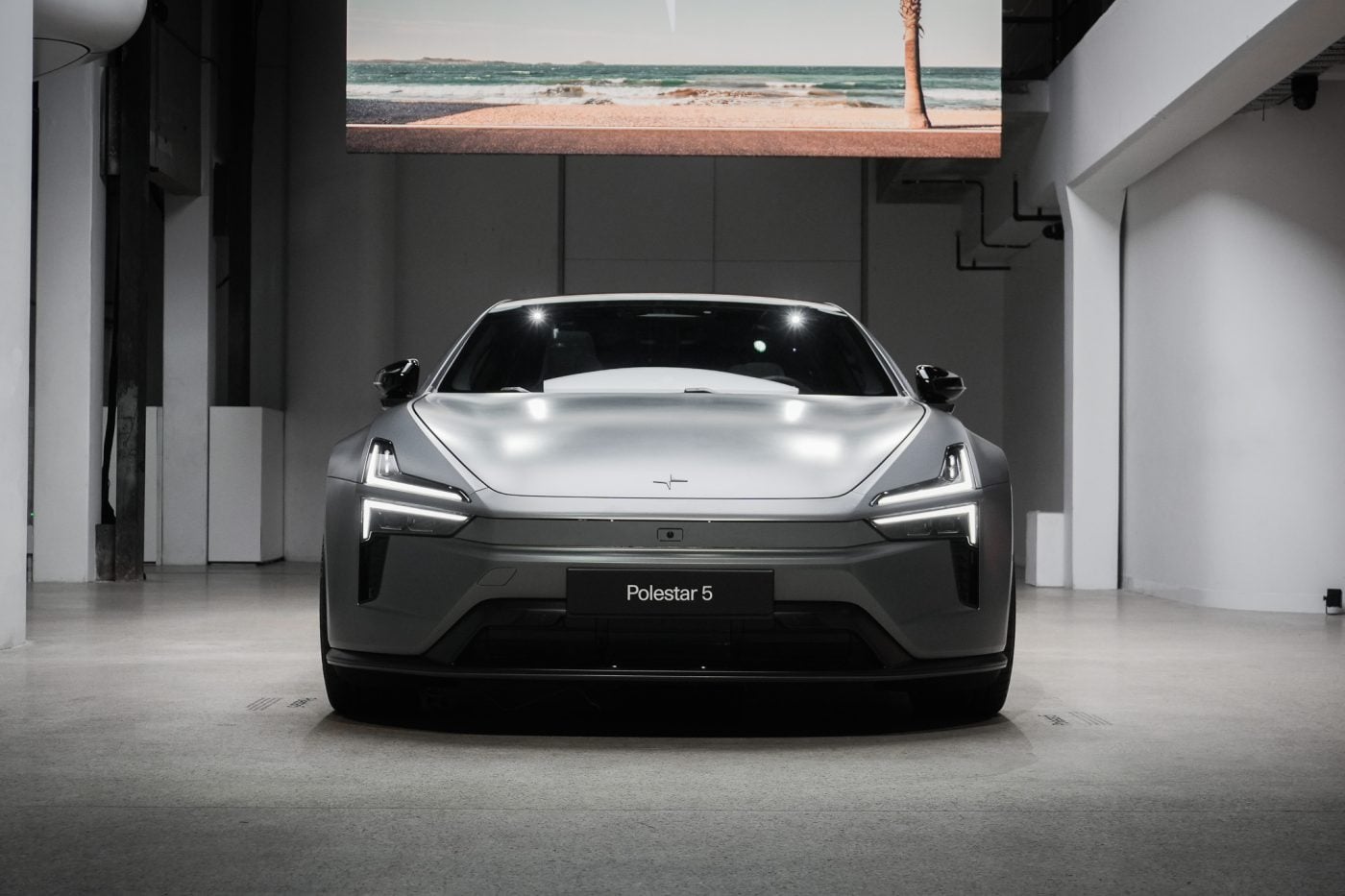
I’ve been quietly watching Polestar for a while now, and the 5 is the car that’s had me paying attention. Not the 2, which always felt like a slightly confused Volvo in a turtleneck. Not the Polestar 4, which is actually a DMARGE favourite. The 5 is the one that matters. And it just landed in Sydney.
Polestar brought the 5 out for its Australian debut earlier this month at Machine Hall in Sydney, ahead of local deliveries kicking off in Q3 this year.
We dropped in to check it out in person, and walking around the thing in that space, the proportions land completely differently than they do in press shots. It’s long. It’s low. And it has a presence that photos just don’t capture.
Two variants are locked in for the Australian market: a Dual Motor at $171,100 and a Performance at $193,100. The car Polestar rolled out at Machine Hall was the Performance, naturally.
Curated news for men,
delivered to your inbox.
Join the DMARGE newsletter — Be the first to receive the latest news and exclusive stories on style, travel, luxury, cars, and watches. Straight to your inbox.
650kW And A Chassis That Shames Supercars
Both versions sit on a bespoke bonded aluminium chassis that Polestar developed ground-up in the UK. This platform won’t be shared with anything else in the lineup, current or future. Torsional rigidity hits 51,000Nm, which puts it in genuine supercar territory.
The Dual Motor makes 550kW and 812Nm, does the 0-100 sprint in 3.9 seconds, and claims 678 kilometres of WLTP range.
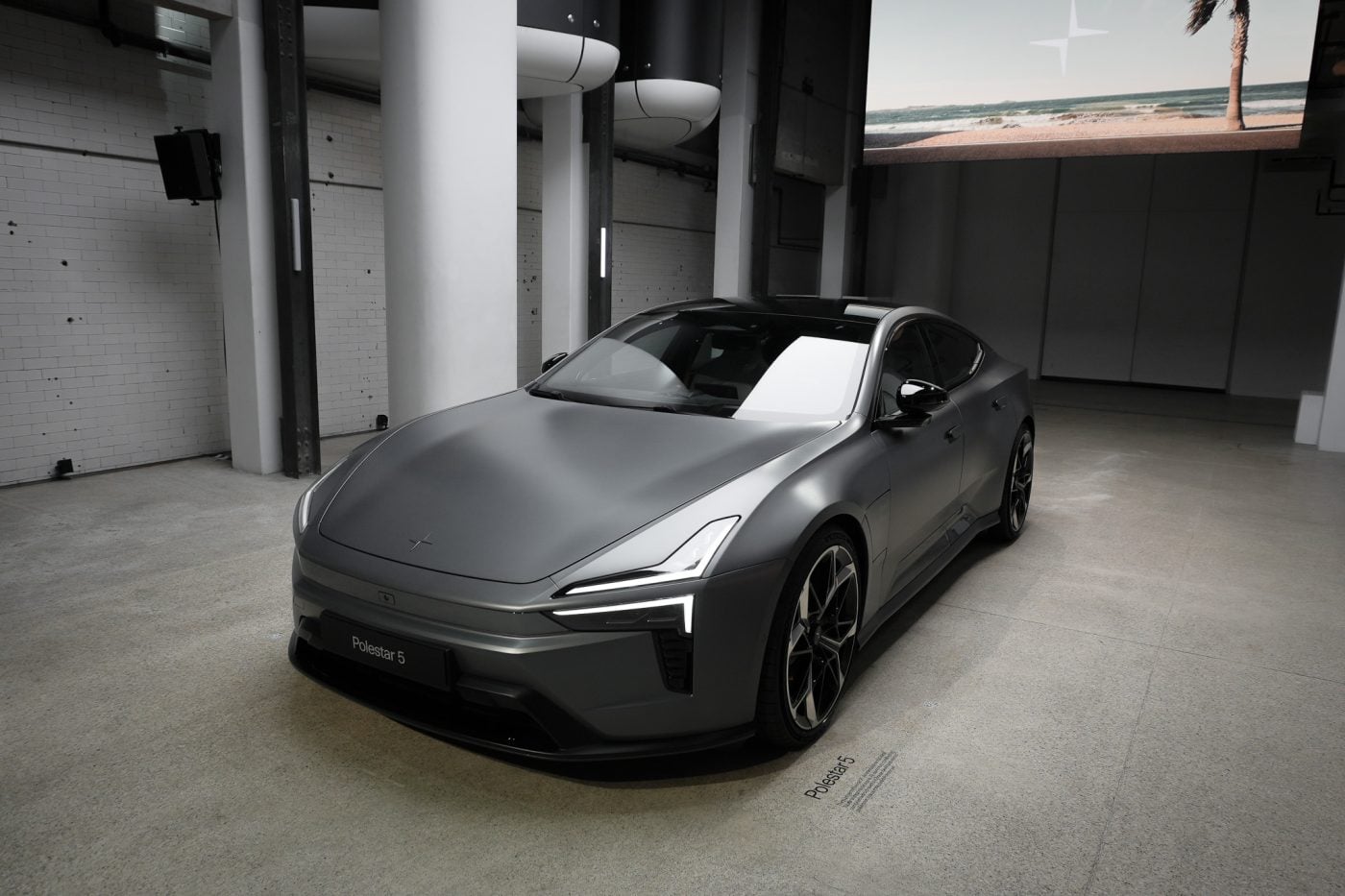
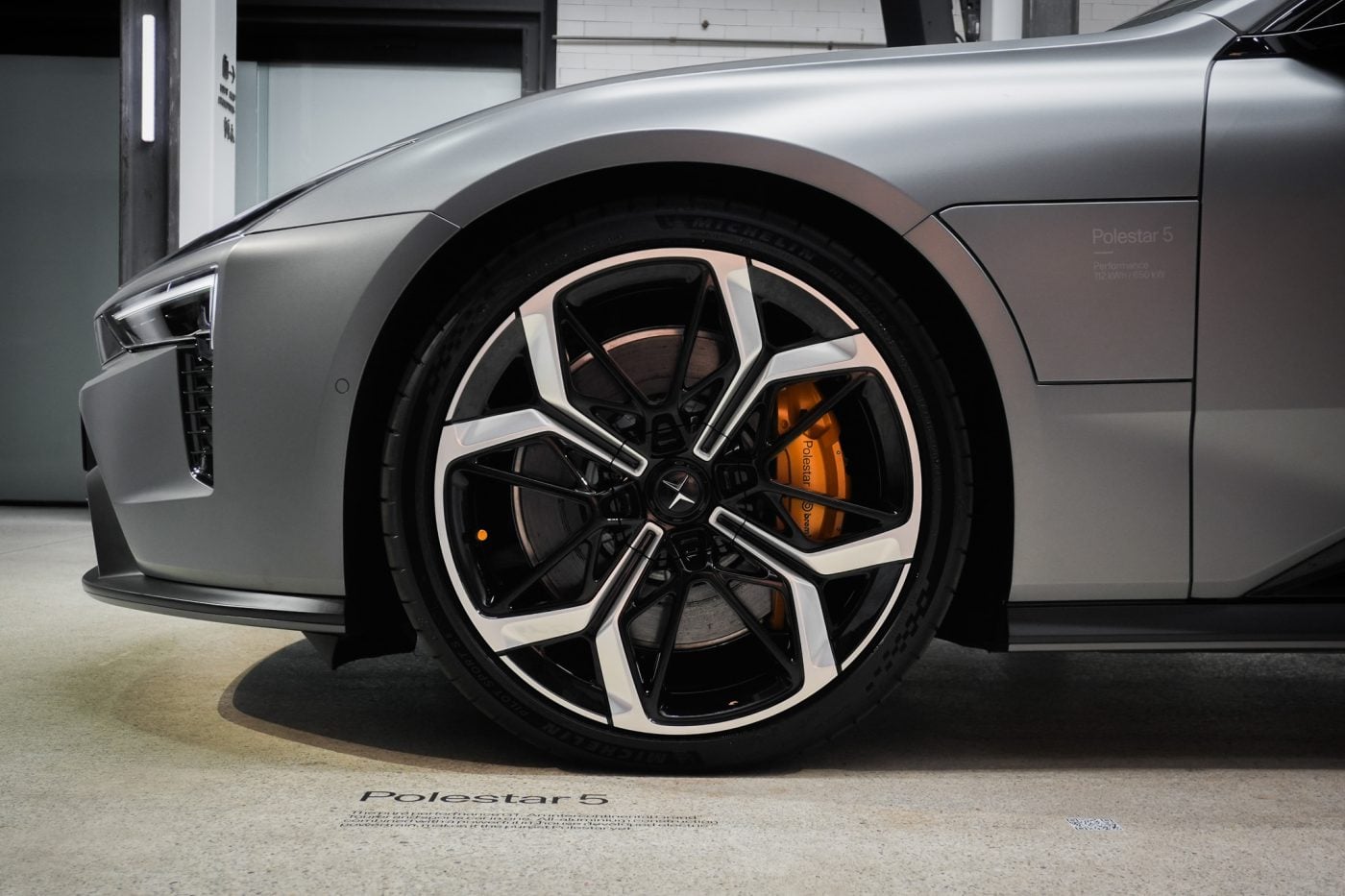
The Performance bumps that to 650kW and 1,015Nm, drops the sprint to 3.2 seconds, but range comes back to 558 kilometres.
Both run a 112kWh battery on 800-volt architecture with 350kW DC fast charging. 10 to 80 per cent in 22 minutes.
The rear motor alone produces around 450kW, which Polestar reckons makes it one of the most powerful single electric motors in production. That’s a stat worth sitting with for a second.
Why There’s No Rear Window (And Why That’s Probably Fine)
The Polestar 5 follows the 4 in ditching the rear window entirely. Scott Maynard, Polestar Australia’s managing director, explained it comes down to rollover crash protection. There’s a large structural member running across the back of the car behind the rear passengers’ heads, and once they pushed the bulkhead back for cabin space, what was left would’ve been a squinty little letterbox of a window anyway.
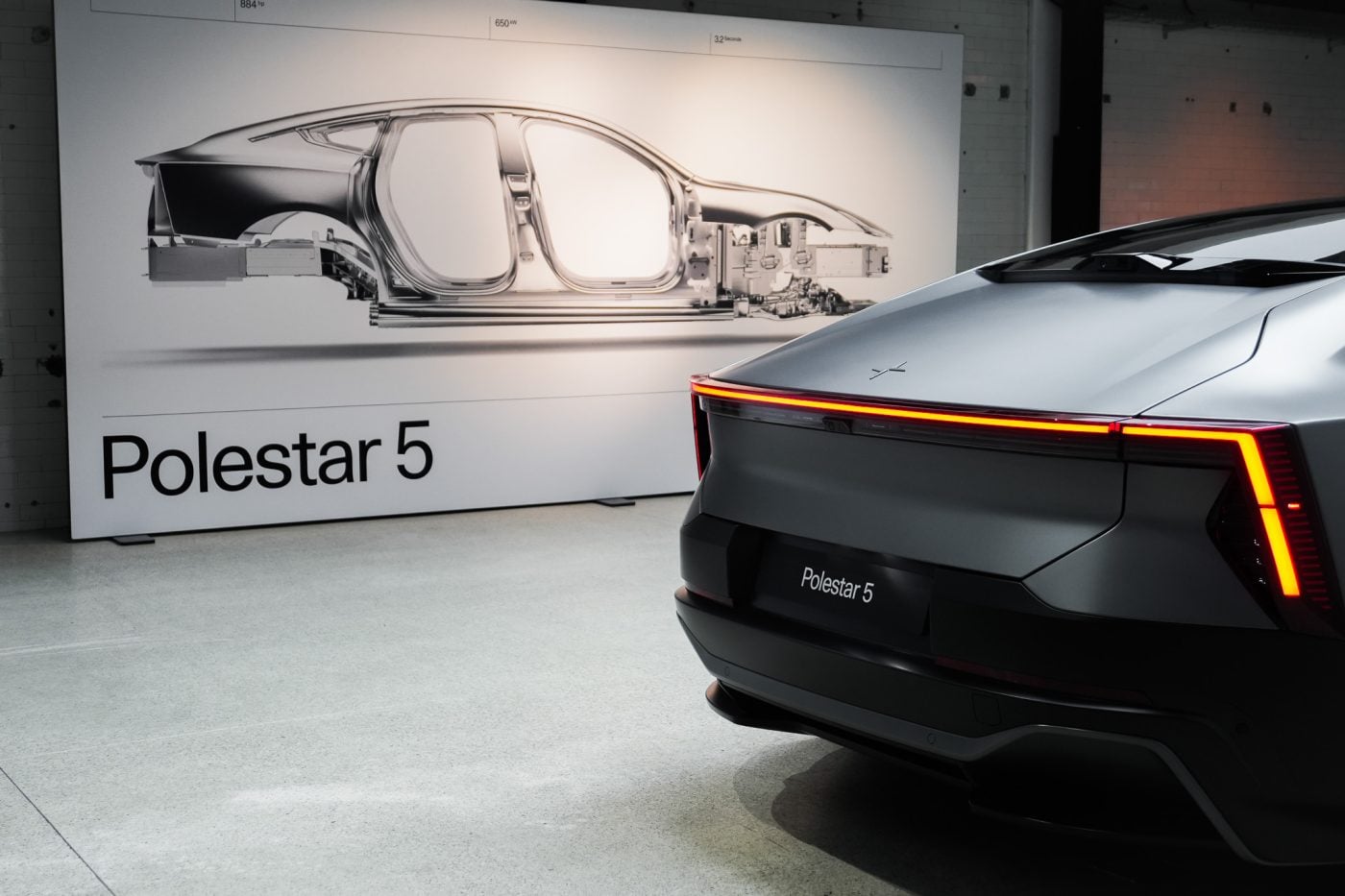
So they dropped it and went with a camera-based digital rear-view mirror instead.
I’m not going to pretend I love the idea on paper. But Polestar’s logic is at least honest: safety first, then make the compromise work. And by all accounts, the rear cabin is a comfortable place to sit because of it.
Months In The South Australian Outback Before You Get The Keys
This is the part that caught my ear. Polestar spent months testing the 5 specifically in the South Australian outback. High-speed durability, heat management, ride quality on the kind of roads that would shake a European GT to bits.
Maynard said the bulk of the car’s five-year R&D program was spent on drive dynamics rather than, in his words, “fiddling with headlights.” That’s the kind of priority list you want to hear from a brand asking nearly $200K for a GT.
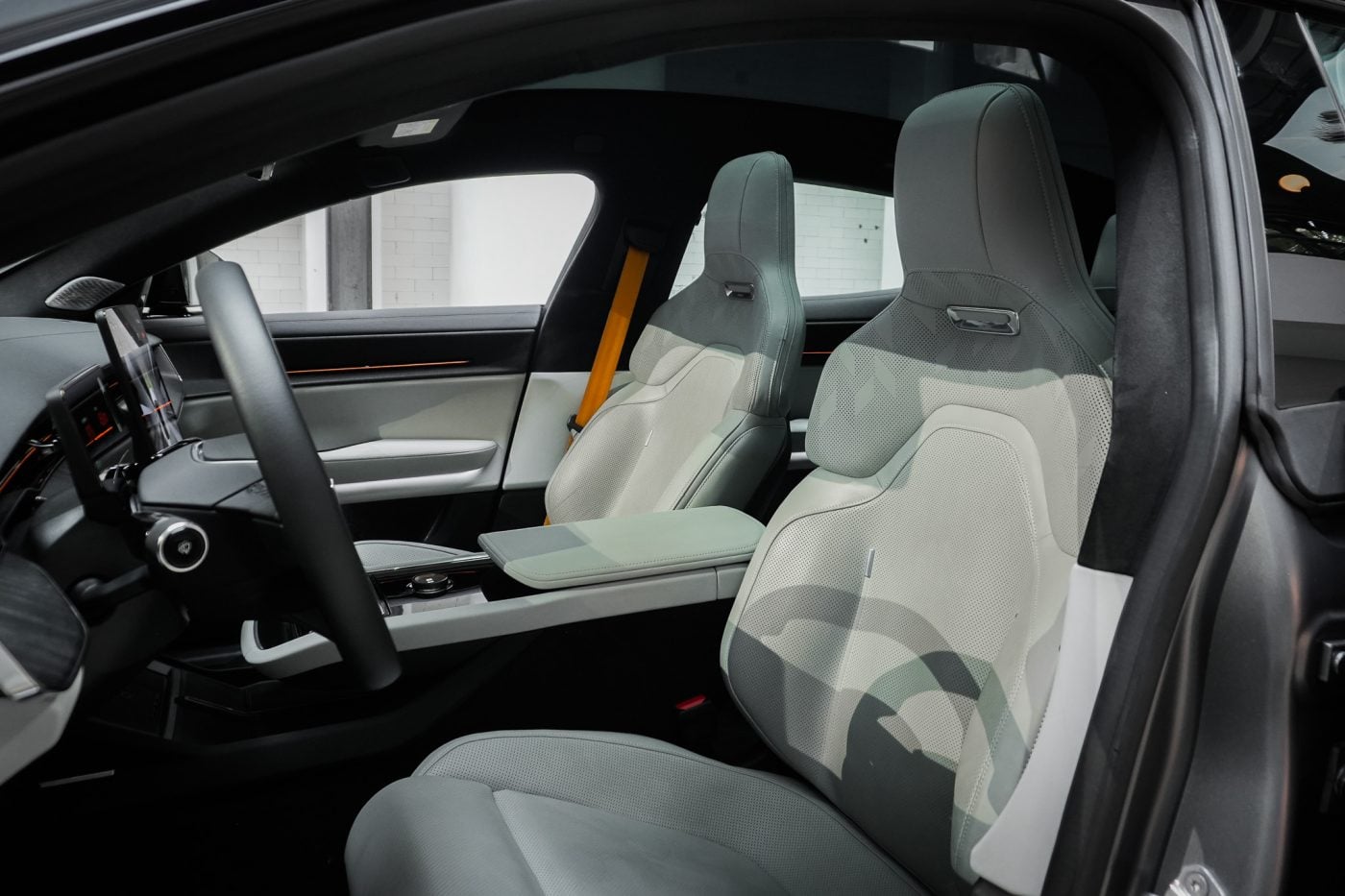
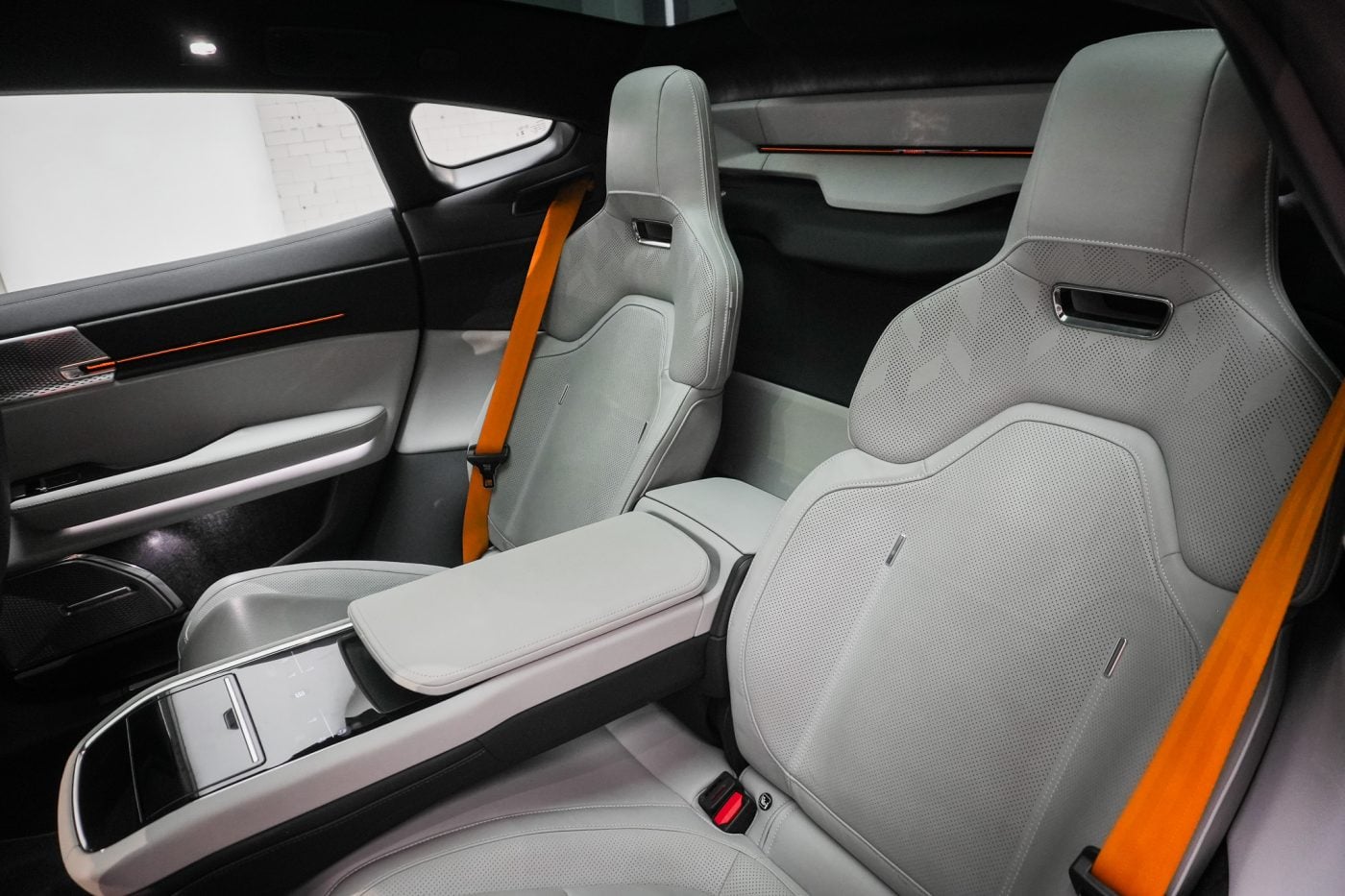
Recaro seats appear in a Polestar for the first time. The interior leans heavily into sustainably sourced materials. Bio-based textiles, responsibly sourced leather. Polestar claims no other manufacturer can match it.
Sarah Wray-McCann, the brand’s Product Planning and Commercial Training Manager, put it well at the Sydney launch: design, sustainability and performance working together rather than competing.
The Halo Car That’s Already Looking Over Its Shoulder
The Polestar 5 is a halo car, and Polestar knows it. While it makes the brand statement, the company is already pivoting hard toward volume. What looks like a wagon version of the 4 arrives late this year, and the real prize, the Polestar 7 compact SUV, is expected by early 2028.
The Polestar 6 roadster has been pushed down the priority list. All engineering resources are pointed at the 7.
“The Polestar 5 makes the brand statement; the Polestar 7 will provide the volume,” Maynard said.
It’s a smart play. The compact SUV market is where the money lives, and Polestar needs that volume to survive long-term. The 5 proves they can build a proper performance car. Now they need to prove they can sell one that parks outside every second house in Mosman.
What we really think about the Polestar 5….
At $171,100 to $193,100, Polestar is taking a direct swing at the Porsche Taycan and Audi RS e-tron GT. That’s bold company, and on paper at least, the specs hold up.
The dedicated platform, the outback testing program, the engineering-first approach to dynamics. It all suggests Polestar is serious about this car being more than a pretty press release.
Whether it can back all of that up on the road is another question entirely. We’ll find out when local drives open up later this year. But standing next to it at Machine Hall, hand on heart, I reckon they might be onto something.
Be sure to register your interest for when the Polestar 5 drops.

