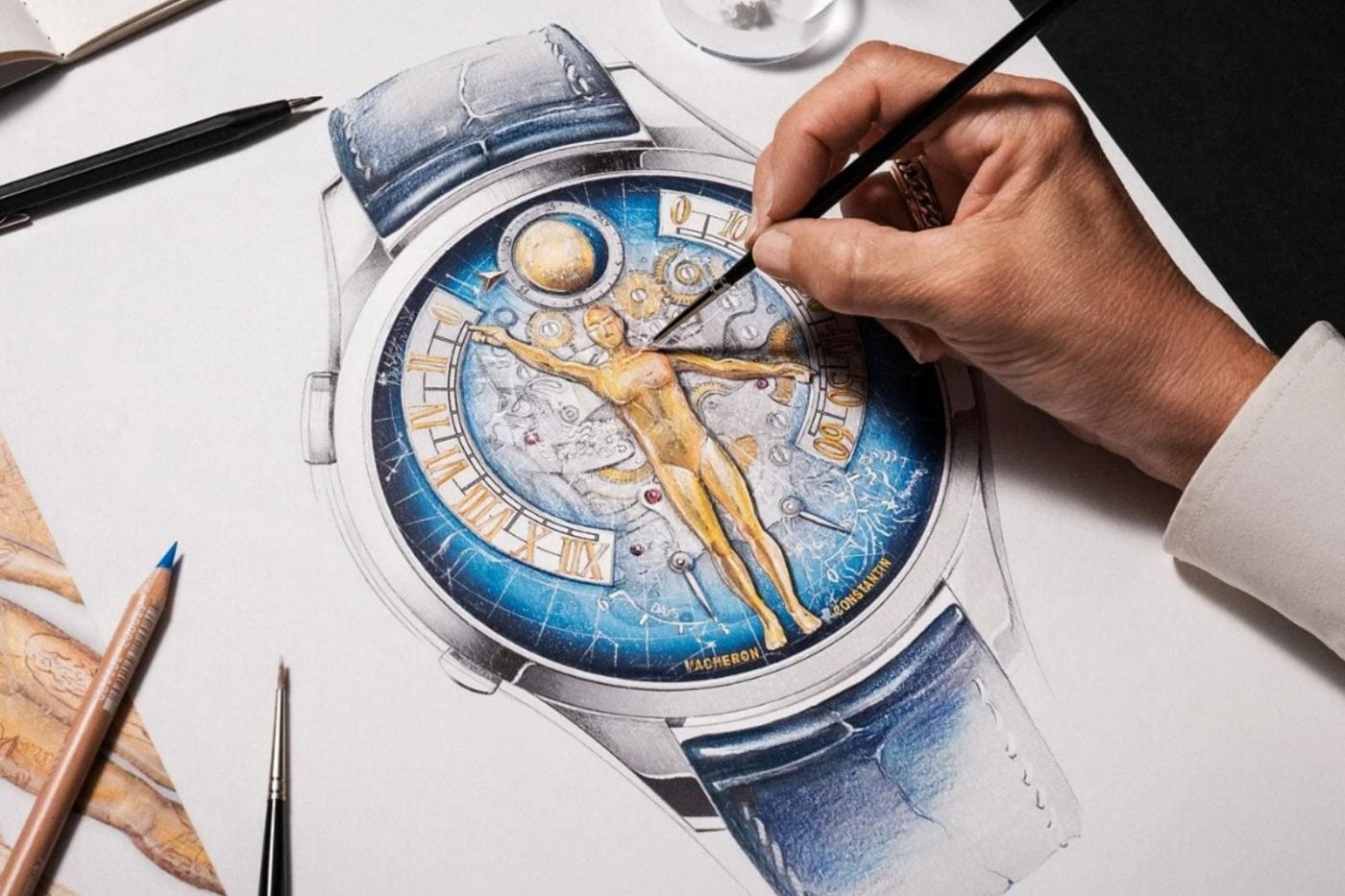
- Gen Z’s shift toward analogue living is quietly turning wristwatches into a cultural status symbol again.
- Watches benefit because they remove phone dependency without forcing a full digital detox.
- From microbrands to haute horology, the appeal is the same.
I don’t entirely know how they do it, but if the Gen Z tastemakers decided tomorrow that millennial beige, skinny jeans and ankle socks were cool again, we’d all morph into some 2010 version of ourselves overnight.
Such is the cultural sway of the modern gatekeepers of cool that we follow their every move like mildly self-aware disciples. Too much? Maybe. But with their latest offline obsession set to define 2026, a return to analogue that openly spits in the face of the digital world, it’s hard not to pay attention.

Warm corners filled with books, journals and high-quality canvas paper, inevitably ordered on next-day delivery from Amazon, are replacing the endless white river of the infinite scroll.
A quick Google search reveals the unofficial bible for this new analogue world order. Read more fiction. Listen to records. Dust off your Ottolenghi cookbook, you know the one. Buy a DVD player. Wake up for the sunrise. Run without Strava. Shoot on film. Keep a calendar. Journal daily. These are all tangible ways of stepping out of the loop we somehow sleepwalked into.
Curated news for men,
delivered to your inbox.
Join the DMARGE newsletter — Be the first to receive the latest news and exclusive stories on style, travel, luxury, cars, and watches. Straight to your inbox.
But chief among them is one we’ve been preaching for the better part of two decades. Buy a wristwatch. You’ll feel better for it. The Gen Z barometers of cool have spoken. Perhaps trends really are cyclical, because they’re about to make a generational comeback like never before.
RELATED: Gen Z Spending Habits Are Changing The Rules Of Luxury… Brands Need To Listen
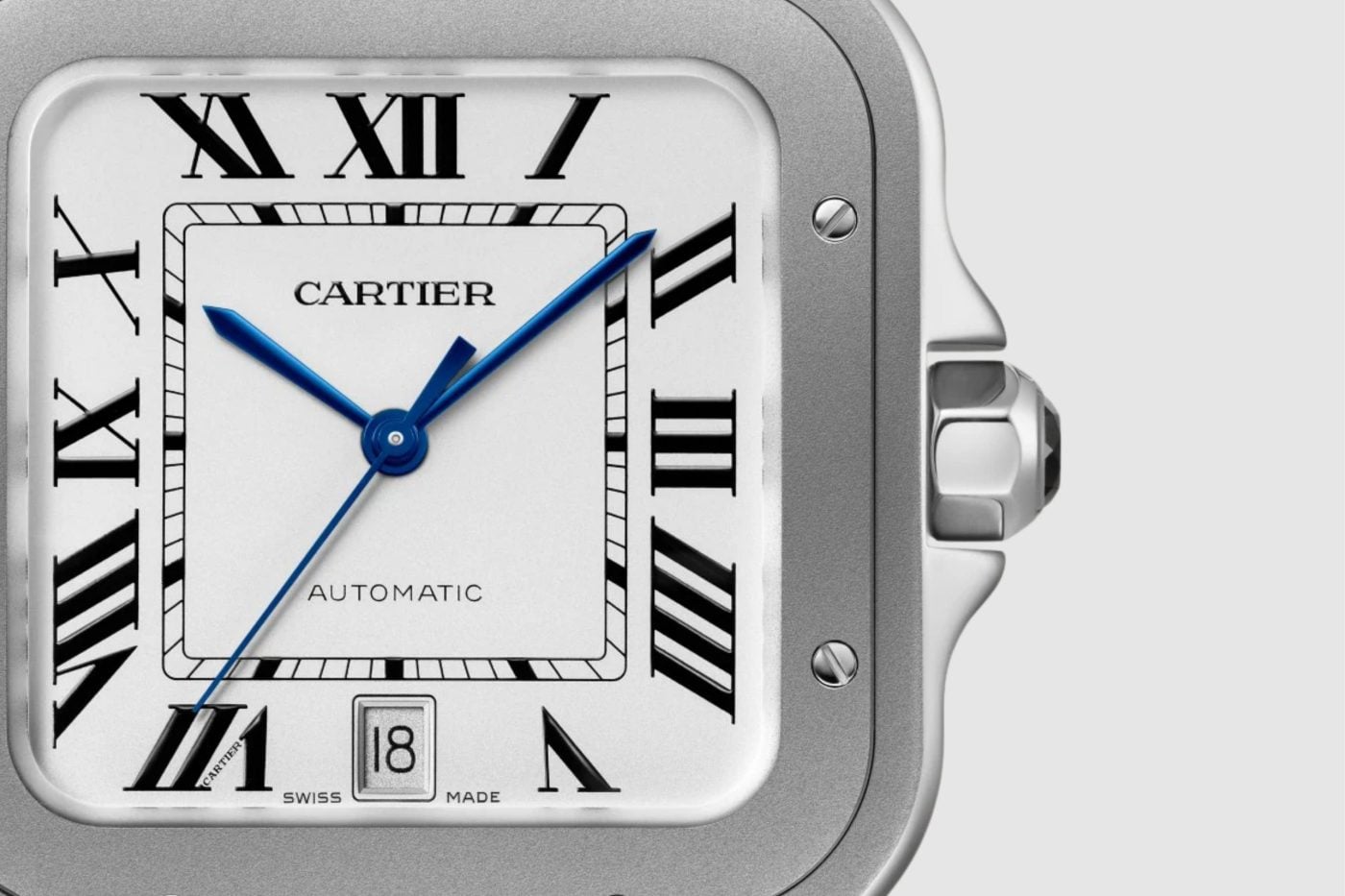
Because here’s the thing no one really talks about. Checking the time is the gateway drug. You lift your phone to see if you’re late and ten seconds later you’re knee-deep in an untimely doom scroll, wondering how to improve your forehand or whether that loveless couple can really renovate a dilapidated château in the French countryside. I swear the algorithm knew I’d just turned 30.
You didn’t need to check X. You didn’t need to clear a notification from an app you forgot you downloaded. The wristwatch quietly shuts that entire chain reaction down. Time. Glance. Done. No algorithm. No dopamine tax. Just the almost-forgotten act of telling the time.
That’s why this analogue revival feels different to the vinyl boom or the film camera renaissance. A watch isn’t a hobby. It’s a daily utility. One that doesn’t remove you from the world in the way reading a book does, or dedicating an evening to candlelit portraits of your better half.

Unlike phones or full digital detoxes, watches don’t ask you to opt out of modern life. You still need maps, payments, messages, tickets. This isn’t about becoming a monk. It’s about removing just enough convenience to stay human.
That’s why I feel like watches will outlast (and ultimately benefit from) this particular analogue moment. Rather than a reactionary trend, they’re a solution hiding in plain sight. The original single-purpose device, doing one job well, long before anyone thought that was revolutionary.
It also explains why the appeal spans everything from a $300 microbrand field watch to a five-figure hand-wound Swiss flex. The motivation is exactly the same, and it’s accessible at any price point.
Luxury brands benefit because the conversation around luxury has shifted. Loud consumption feels a bit try-hard right now, especially amid a global cost-of-living squeeze. The next generation is more selective, more sceptical, and far more willing to question what they’re paying for.
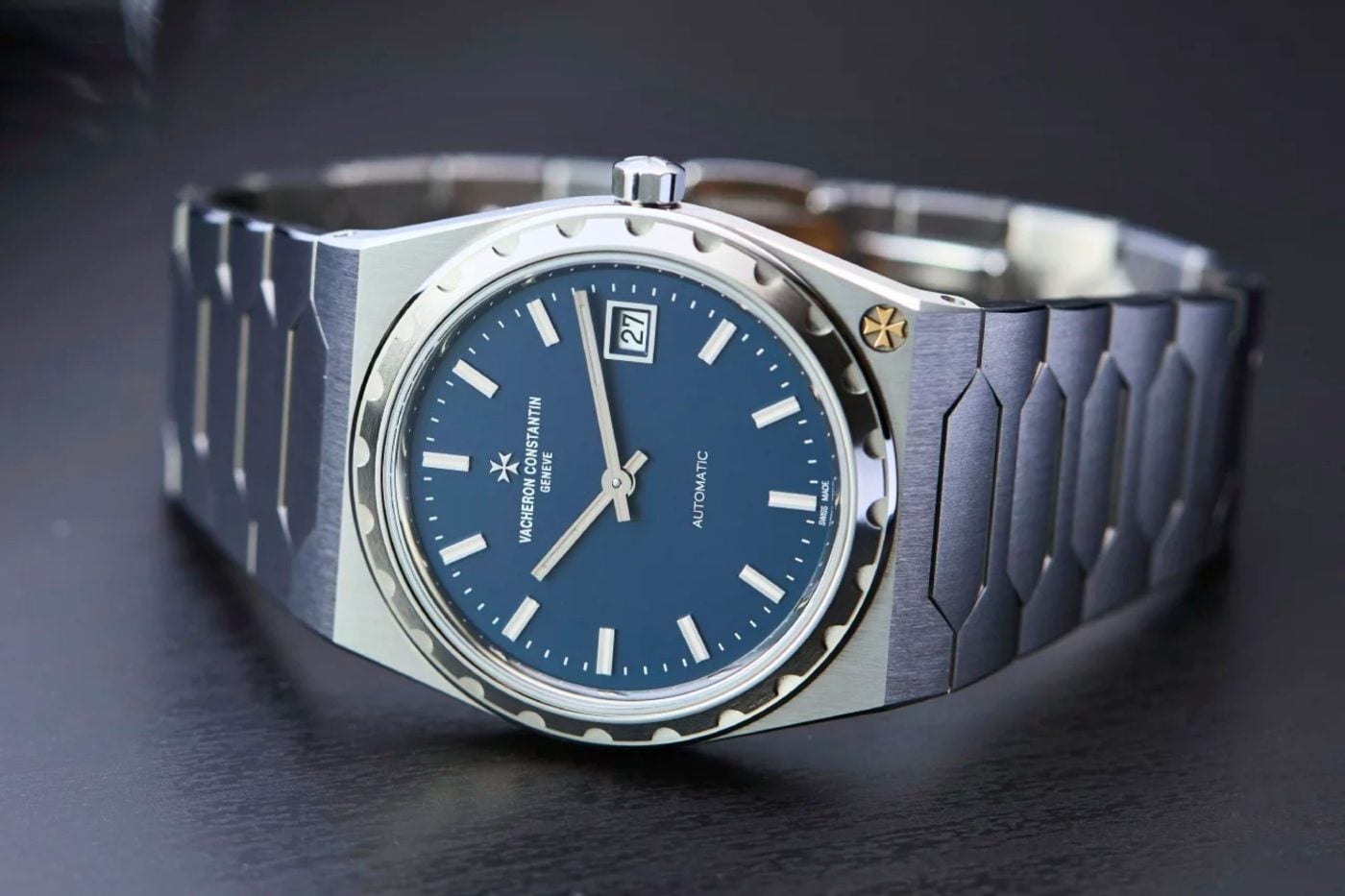
A mechanical watch fits that mood perfectly. It’s slow by design. It needs care. It asks you to meet it halfway, to wind it, set it. You build a small ritual into your day that doesn’t involve unlocking a screen.
Microbrands, meanwhile, are having their moment because Gen Z and younger millennials aren’t allergic to spending money. They’re allergic to feeling like they’re making an ill-informed purchase. And are more conscious of what their watch says about them.
A well-designed watch from a small, opinionated brand scratches the analogue itch without worrying about the latest price hikes or waitlists and boutique theatre. It feels like buying something because you genuinely want it, not because Instagram decided it was time.
So yes, read more fiction. Light a candle. Cook something from a book instead of a browser tab. But if you’re going to start anywhere, start with the thing that lives on your wrist. It won’t change your life overnight, but it might just give your attention back, one glance at a time. The Gen Z have spoken.

