Over the past five years, the luxury watch aftermarket has gone from niche obsession to mainstream financial conversation.
What was once driven by collectors quietly trading pieces through dealers and forums exploded during the pandemic years, fuelled by supply shortages, social media hype and a sudden influx of new buyers who viewed watches as both status symbols and alternative assets. Prices surged, waiting lists lengthened, and models that once traded at retail began commanding eye-watering premiums.
That boom peaked around 2022. As global conditions tightened and speculative buyers exited, the secondary market cooled.
RELATED: Rolex Waitlists Are Finally Cracking
Curated news for men,
delivered to your inbox.
Join the DMARGE newsletter — Be the first to receive the latest news and exclusive stories on style, travel, luxury, cars, and watches. Straight to your inbox.
Prices across many brands softened, hype models corrected, and liquidity slowed. Yet even through the downturn, one constant remained. Rolex continued to anchor the market. While some brands experienced dramatic pullbacks, Rolex prices proved more resilient, reinforcing its position as the safest currency in watches.
It is against this backdrop that Rolex’s certified pre-owned program takes on real significance. Rather than chasing short term profit, the brand has made a calculated move to stabilise and legitimise the resale ecosystem.
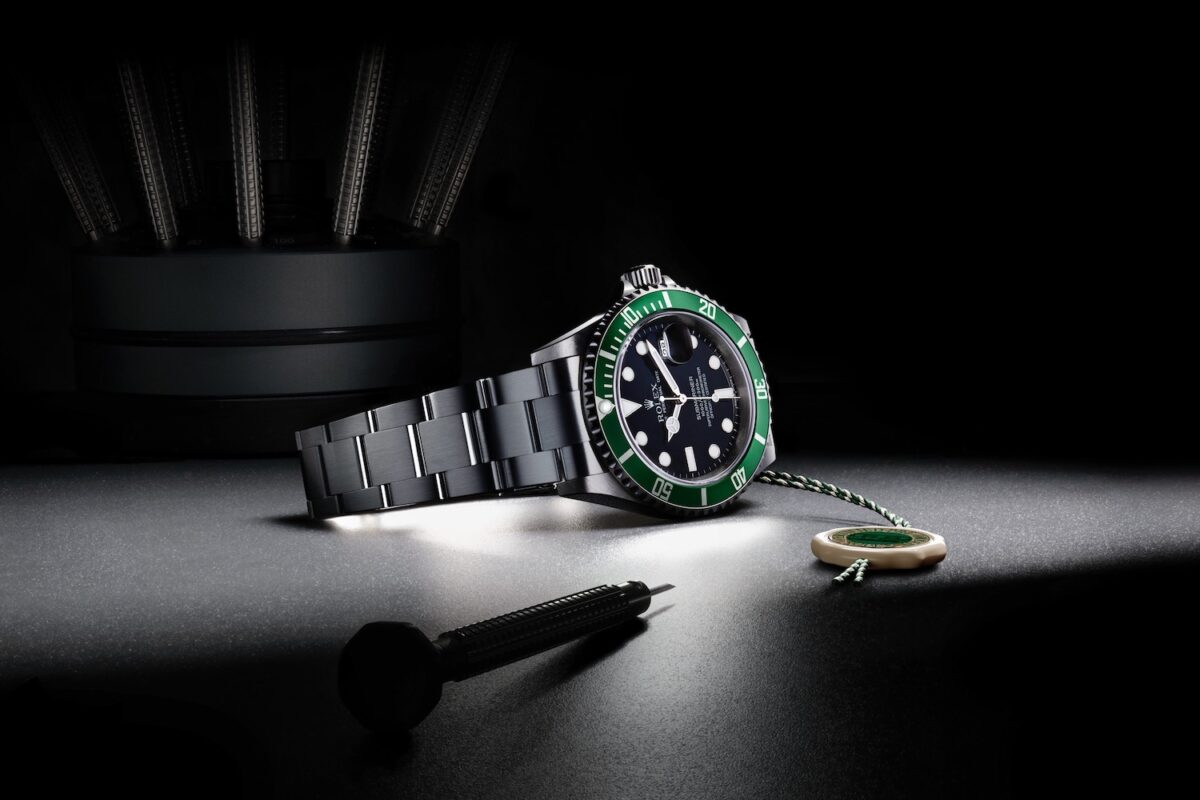
Pre owned Rolex watches sold through authorised dealers are inspected, authenticated, serviced, and backed by an official two year warranty. That simple promise carries enormous weight in a market long plagued by counterfeits, undocumented repairs and inconsistent standards.
What makes the strategy particularly smart is its restraint. Rolex does not own the watches, dictate resale prices, or operate a central marketplace. Authorised retailers source and sell the pieces, while Rolex provides certification and oversight. This keeps supply in check and avoids undermining demand for new watches, while still ensuring the brand controls how its products circulate once they leave the boutique.

Consumer behaviour has shifted rapidly over the same period. Younger buyers are increasingly comfortable entering luxury through the pre owned door, especially when it comes with authenticity and warranty support. For them, resale is not a compromise. It is a rational way to access scarce models, manage depreciation risk, and participate in a category that feels otherwise closed off.
RELATED: British Woman Murdered For Gold Rolex
The last five years have also shown how exposed the aftermarket can be without brand involvement. Rapid price inflation attracted opportunists, while price corrections punished those who mistook hype for long term value. Rolex’s move adds ballast to the system.
Certified pre owned watches trade at a premium because buyers are paying for certainty, not speculation.
There is also a quieter benefit for the brand itself. By formalising resale, Rolex gains insight into how its watches move through the market, which references retain demand, and how ownership patterns evolve over time. That intelligence informs everything from production planning to long term brand positioning.
For the wider watch industry, the message is clear. The aftermarket is no longer something brands can afford to ignore or dismiss. It has become a parallel economy that shapes perception, pricing and desirability. Rolex’s approach suggests the future belongs to brands that respect resale without trying to dominate it.
After five turbulent years, the watch aftermarket is maturing. Rolex’s certified pre-owned strategy does not just reflect that shift. It helps define it.
