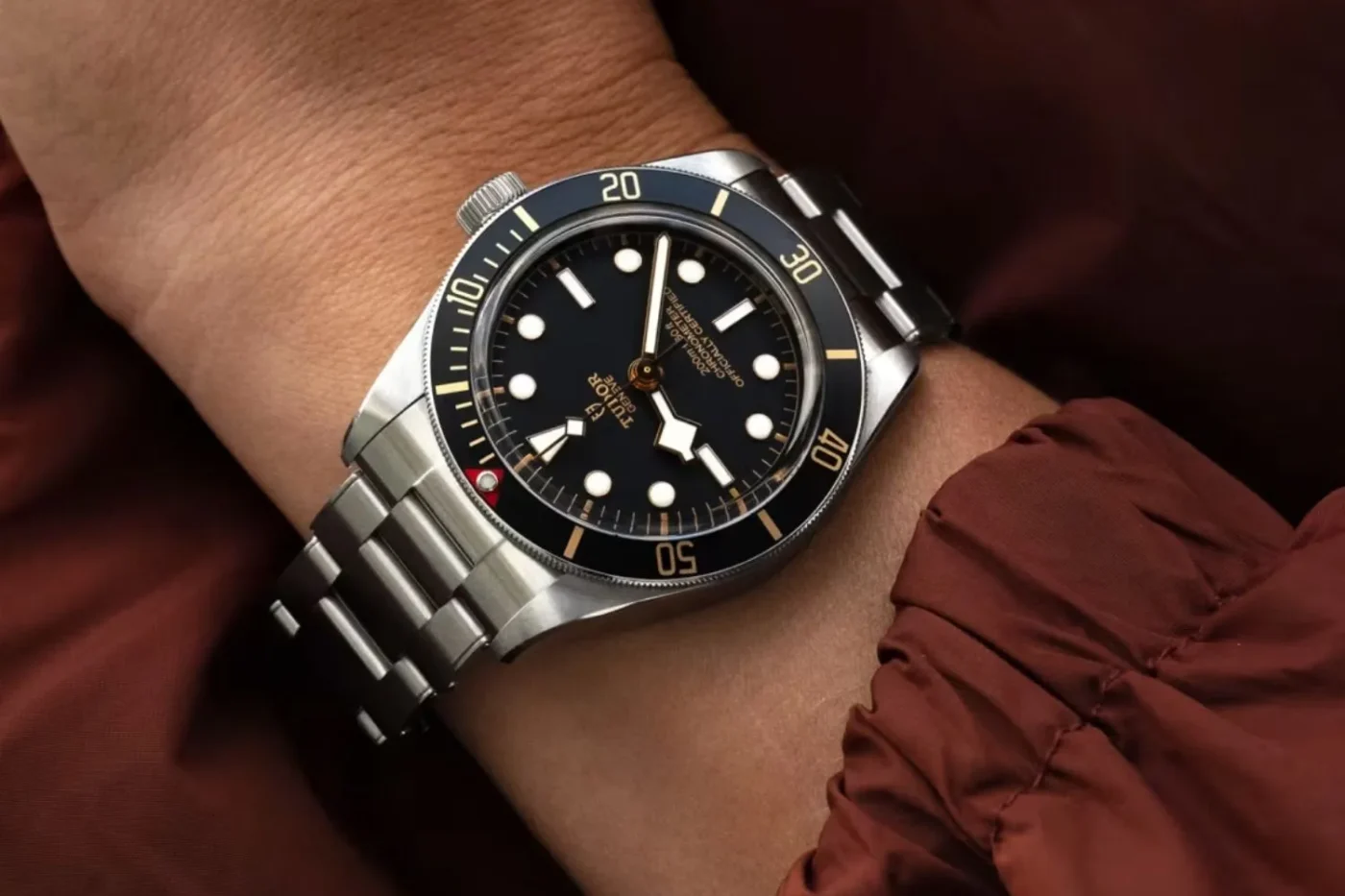
If you’ve ever flipped a watch over and seen the word “chronometer” on the caseback, you’ve seen COSC’s handiwork. The Contrôle Officiel Suisse des Chronomètres has been the independent body certifying the accuracy of Swiss watches since 1973. Pass its fifteen-day test, and your movement earns the right to carry the title. It’s one of the few stamps in watchmaking that actually means something.
The problem is, the world has changed a lot since the seventies. Your phone, your laptop, your tablet case, even the clasp on your bag are all throwing invisible magnetic ninja stars at your wrist every day.
So COSC has done something about it.
The existing chronometer certification isn’t going anywhere. Everything that earned the standard its reputation still stands. What’s new is a second level sitting above it, called the “COSC Excellence Chronometer.”
Curated news for men,
delivered to your inbox.
Join the DMARGE newsletter — Be the first to receive the latest news and exclusive stories on style, travel, luxury, cars, and watches. Straight to your inbox.
Three things change.
Accuracy gets tighter. Right now, a certified chronometer can drift by up to 10 seconds a day and still pass. Under the new standard, that shrinks to 6. Over a week, that’s nearly 30 fewer seconds of drift, which matters more than it sounds if you’re the kind of person who actually cares what’s on their wrist.
Magnetic resistance slaps. If you’ve ever noticed your watch running fast after resting on a laptop, you already know the issue. The new tier requires watches to handle magnetic fields up to 200 Gauss without skipping a beat. Given how many magnets we live with daily, this feels less like raising the bar and more like catching up with it.
Power reserve claims get verified. If a brand says its watch runs for 70 hours, COSC will now independently check that number. No more taking the spec sheet on faith.
After a movement passes the standard 15-day test and earns its regular chronometer status, it is returned to the brand for casing. The completed watch then returns to COSC for five more days of evaluation.
A purpose-built robot physically simulates a day on someone’s wrist, moving the way you’d move. After 24 hours of that, the watch’s timekeeping is measured against a much narrower window: it can only gain up to 4 seconds or lose up to 2 per day. Then it’s hit with a 200 Gauss magnetic field to see if it flinches. Finally, its power reserve is tested against whatever the brand promised on the box.
Every single watch. Individually. No batch testing and no sampling. That one-by-one approach is what’s always made COSC more than a marketing exercise, and it’s carrying that discipline straight into the new tier.
COSC has been quietly upgrading its labs since early this year, with pilot tests launching in March. The official unveiling comes in April at Watches and Wonders in Geneva, as part of the event’s LAB innovation showcase. From October, brands can formally enter the process, and the first watches carrying the Excellence Chronometer title should start appearing shortly after.
Why We Should Care?
For years, the chronometer certificate has been a baseline, a way of saying “this watch keeps proper time.” But the gap between that baseline and what the best brands are actually capable of has been widening. Omega has its Master Chronometer programme. Rolex has Superlative Chronometer. Grand Seiko tests in-house to tolerances that make most Swiss standards look generous.
COSC needed to evolve or risk becoming the participation trophy of Swiss watchmaking. The Excellence Chronometer doesn’t replace those proprietary programmes, but it offers something none of them can: genuine independence. COSC doesn’t make watches. It doesn’t sell watches. It just tests them. And unlike a brand grading its own homework, that separation actually means something.
The real question now is which brands are willing to step up, because carrying the Excellence Chronometer won’t just mean wanting the badge. It means every watch that wears the name has been held to tighter standards and tested under conditions that reflect how people wear watches in the real world. Not just on Instgram.

